By Marjie Courtis
Basque Country: The New Dimension where 4+3=1
I thought I was on planet earth when I set out to visit Spain and France. But stepping into the area straddling the two countries, which the locals call Euskal Herria (Basque Country), was like passing into an entirely new dimension.
Here, earthly rules don’t apply. I spent two weeks immersed in a world defined differently: a place where an ancient, mysterious language thrives, where a spiked drink has a whole new meaning and where national boundaries no longer figure.
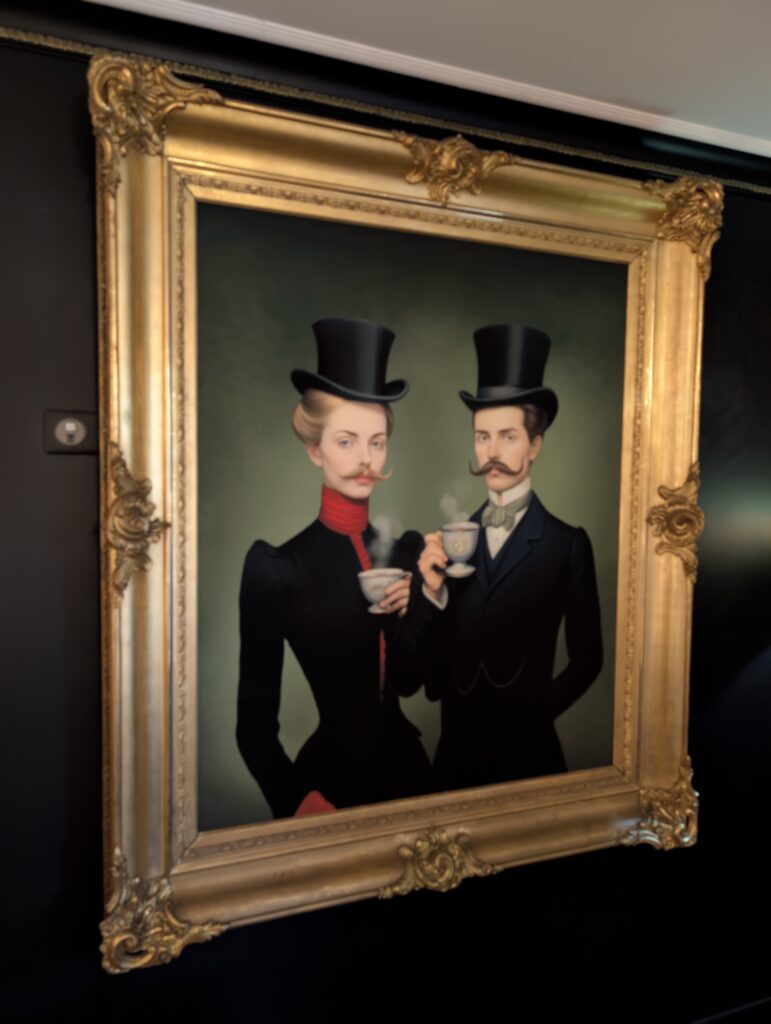
La Tasse a Moustache (Cambo-les-Bains)
Artwork by Jean-Hamid EDEB Photo: Marjie Courtis
BIarritz Photo: Marjie Courtis
The People and Identity: A New World Order
Look at a map, and you’ll see seven distinct provinces: four in Spain and three in France. But to the Basque people, 4 + 3 = 1.
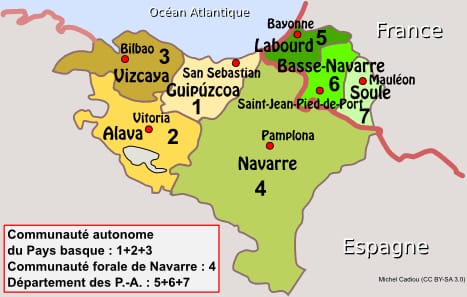
These seven provinces are a united entity. They are one. Basque linen, such as that made by manufacturers like Lartigue 1910, is marked by seven stripes, one for each province, perfect coding for “the real thing”. And online, there’s no need to bother with French or Spanish Internet domains; they have their own, .eus—representing their common language, Euskara. There is no Basque passport yet, despite relative autonomy in some provinces.
Euskara itself is a “language isolate” with no known ancestors or relatives. It’s both a mystery to linguists and a massive source of pride for the locals. The Basque word Donostia, refers to Saint Sebastian, but the official name of the city of Donostia-San Sebastián, makes your instantly aware that you’re living in overlapping worlds.
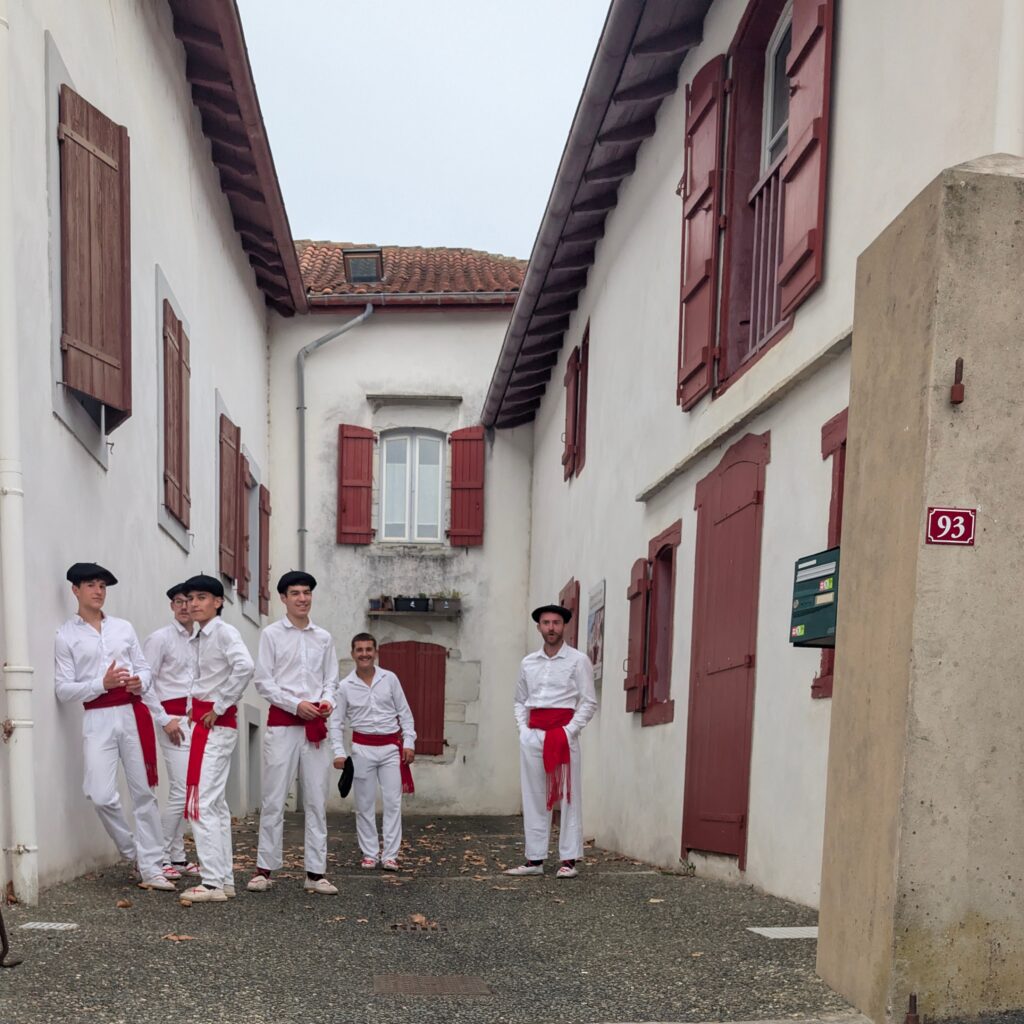
Photo: Marjie Courtis
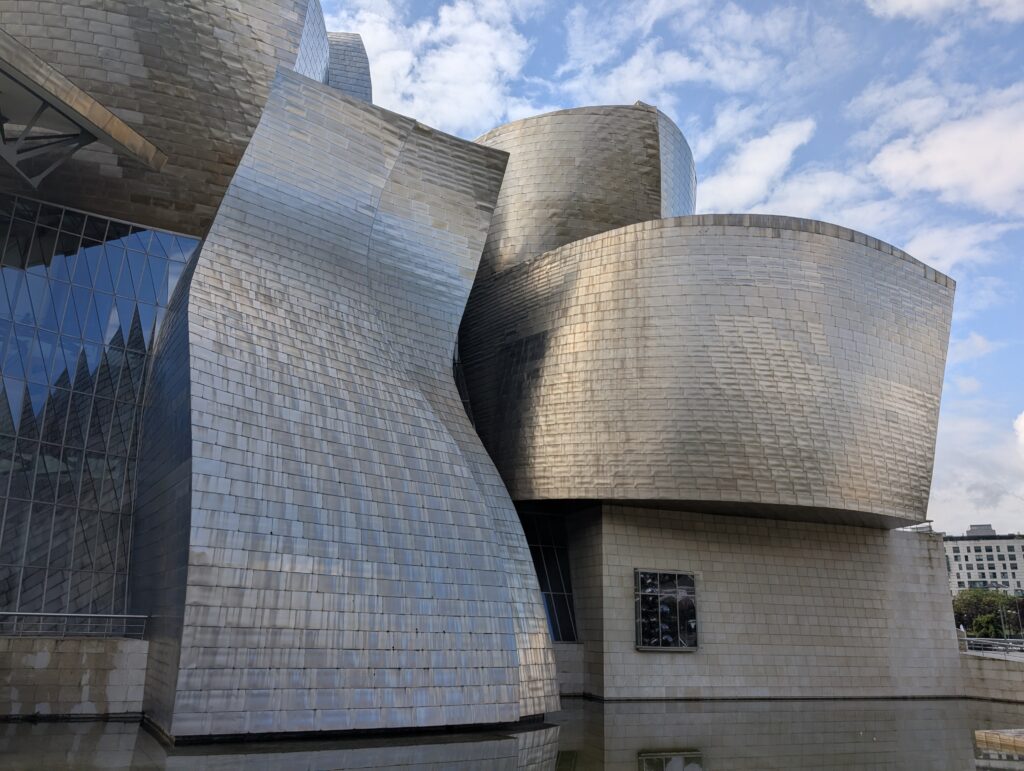
Photo: Marjie Courtis
The Architecture: Ox Blood to Guggenheim
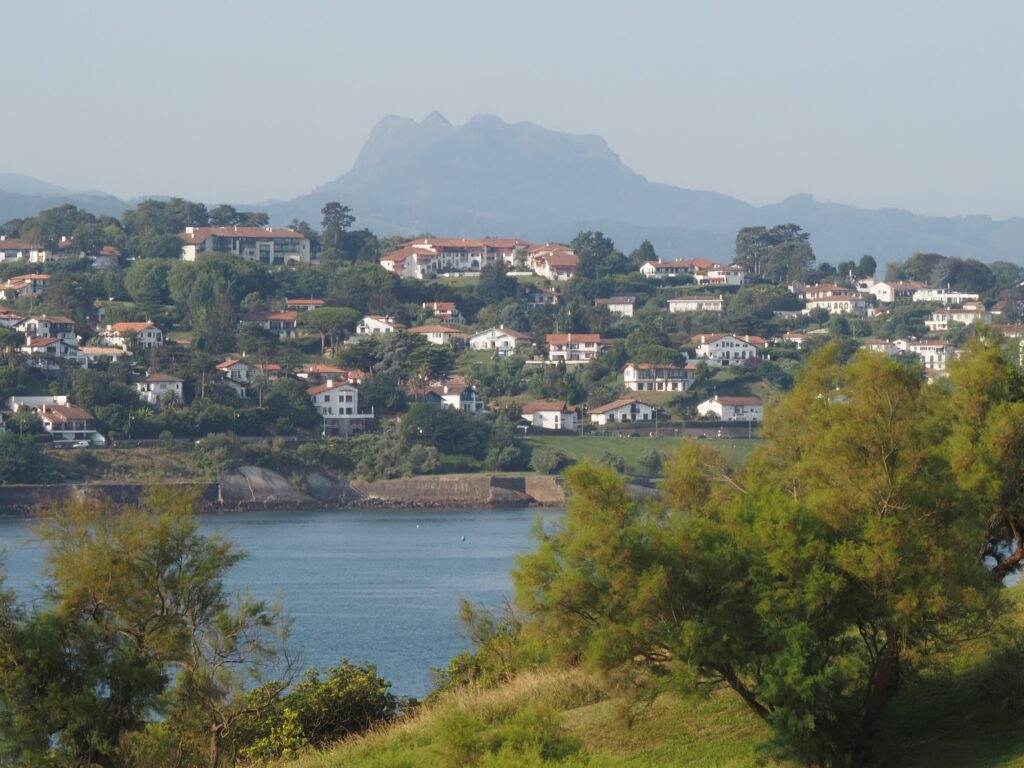
Euskal Herria is visually spectacular. In the countryside, particularly on the French side, the dominant style is the Basque House, with its crisp white walls and striking timber trim painted in a deep, traditional ox-blood red. This colour is a tribute to a time when real ox blood was used to protect the wood from the wind and rain.
At my first amazed look at the exterior of the futuristic Guggenheim Museum in Bilbao, built from titanium, limestone and glass, I thought I’d left both the earthly realm and the Basque universe. I seemed to have time-travelled rather than simply moved in parallel. But looking a little more closely, I saw that this cultural phenomenon celebrates the Basque language, reflects Bilbao history, encourages Basque artists and is a further source of Basque pride. And I quickly realise that the “Bilbao effect” has been accelerating international interest in this Basque universe.
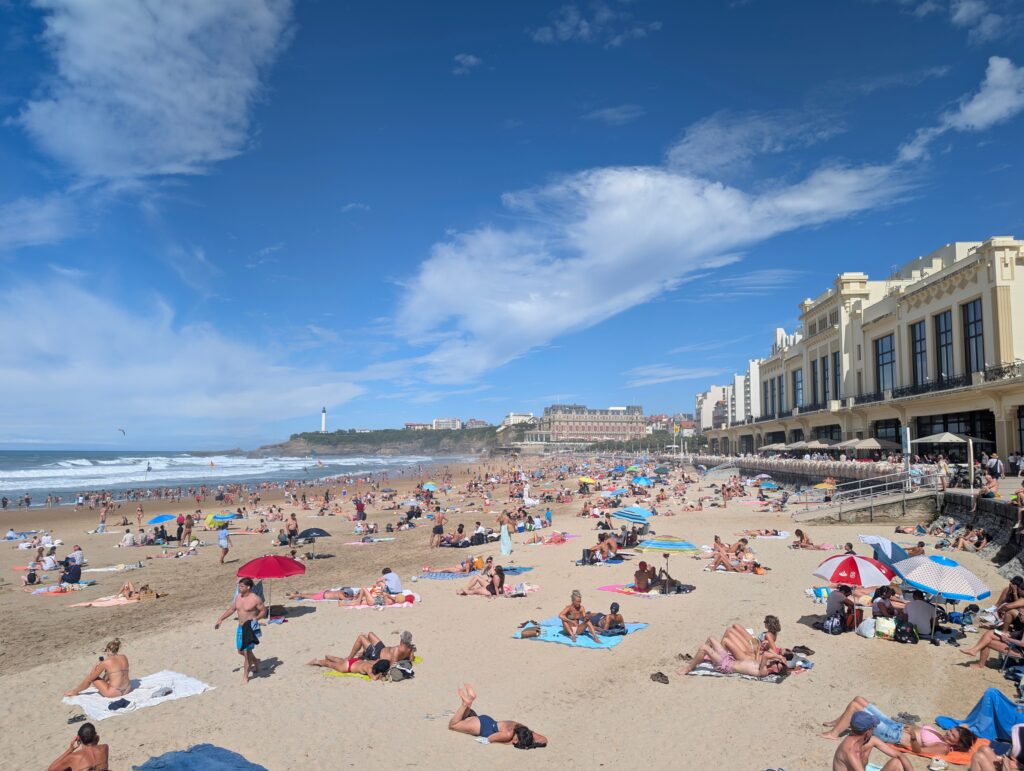
Elsewhere, the seaside town of Biarritz provides another dimension of grandeur. The resort town is considered the “Queen of Resorts, Fit for Kings”. Emperor Napoleon III and Empress Eugénie favoured this rugged coastline and helped catalyse the development of sophisticated promenades and elegant architecture.
The Cuisine: A Spiked Tradition
An evening tour with Delight Bilbao Food Tours was a sensory whirlwind. In cities like Bilbao and Donostia-San Sebastián, bar life revolves around pintxos, snacks derived from the Spanish word pincho (spike). The concept evolved from a simple bread “lid” to protect drinks from diving insects, into a magnificent culinary art form—consider the tasty treat of Gilda (pickled pepper, anchovy, and green olive). During celebrations like Aste Nagusia (Big Week) in Bilbao, the streets overflow with revellers enjoying standing-room-only at gastronomic bars and tents.
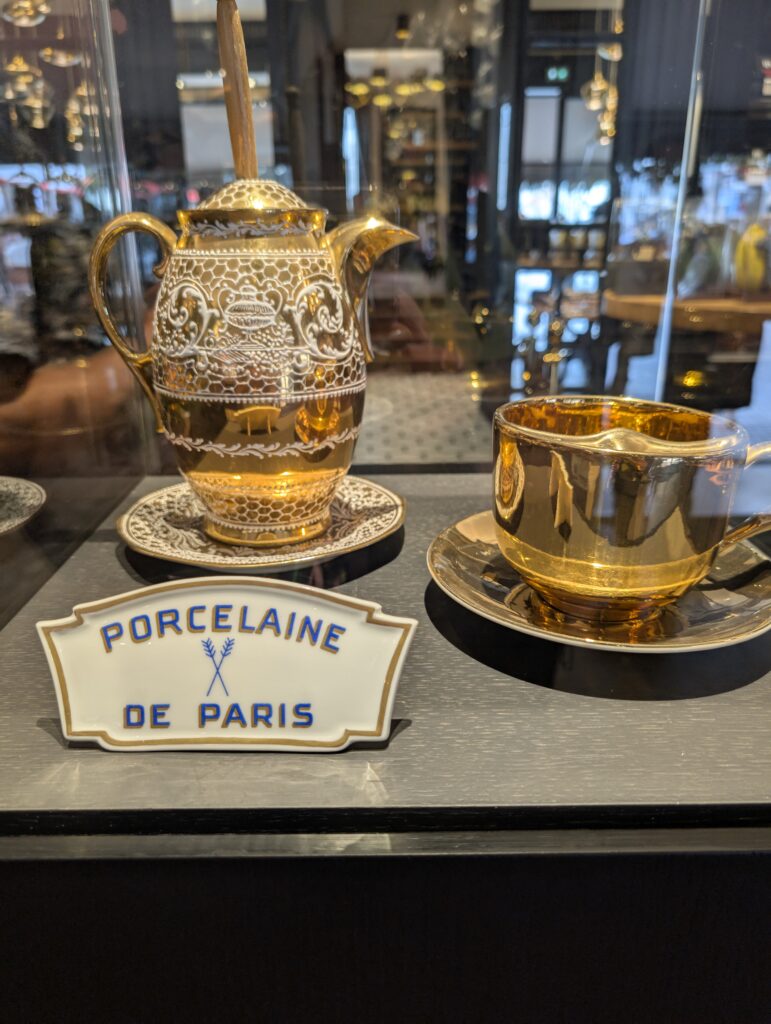
A unique sensory delight awaits on the French side: Bayonne chocolate. The chocolate tradition here began with Sephardic Jewish settlers in the 16th and 17th centuries, who brought the knowledge of the cocoa bean, which had arrived from South America via Spain. My chocolate highlight was in Cambo-les-Bains at a cafe, La Tasse à Moustache where the hot chocolate was served in heritage cups with a moustache-protecting inset, to save the well-groomed man from debris and molten moustache wax.
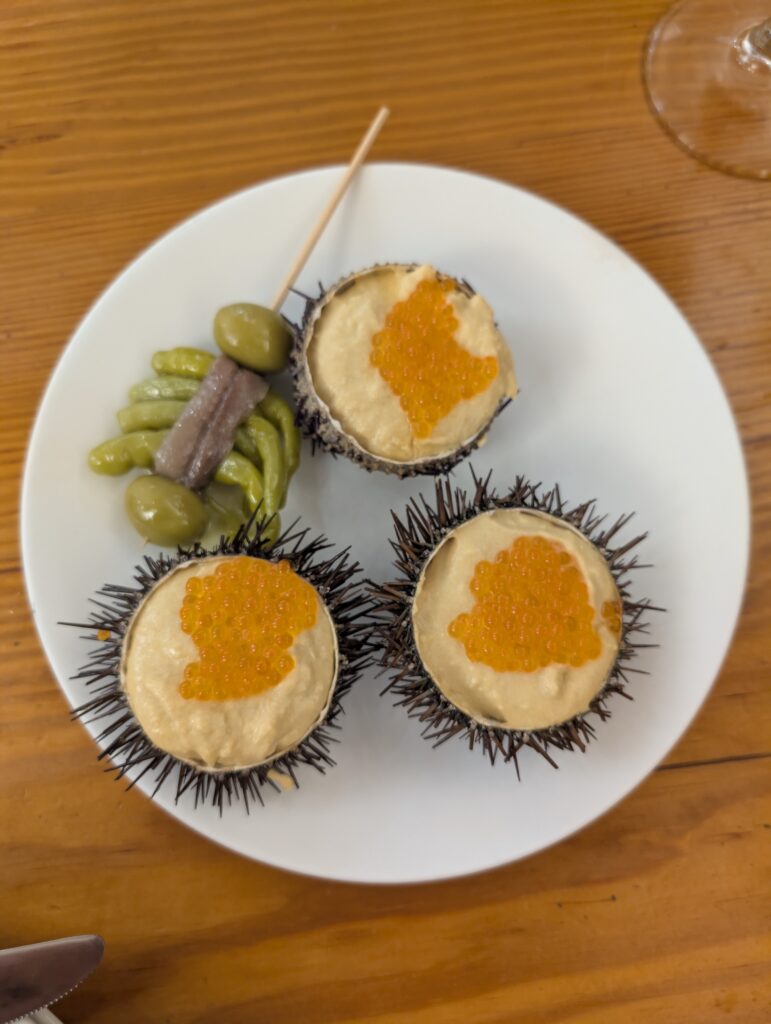
Photo: Marjie Courtis
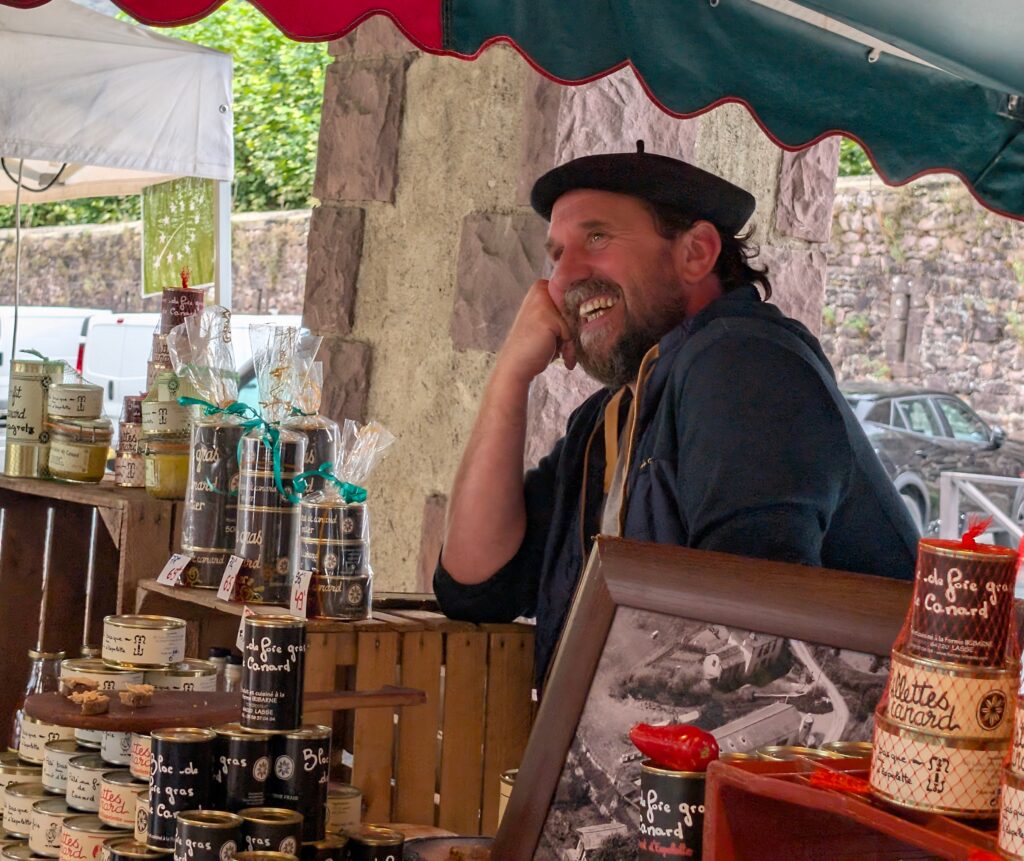
Photo: Marjie Courtis
There are plenty more culinary nuances: there’s the Basque cheesecake in Spain, the crusty Basque gateau of France, the exclusive pimentos of Espelette and one of the highest concentrations of Michelin starred restaurants in the world.
Heritage and Play
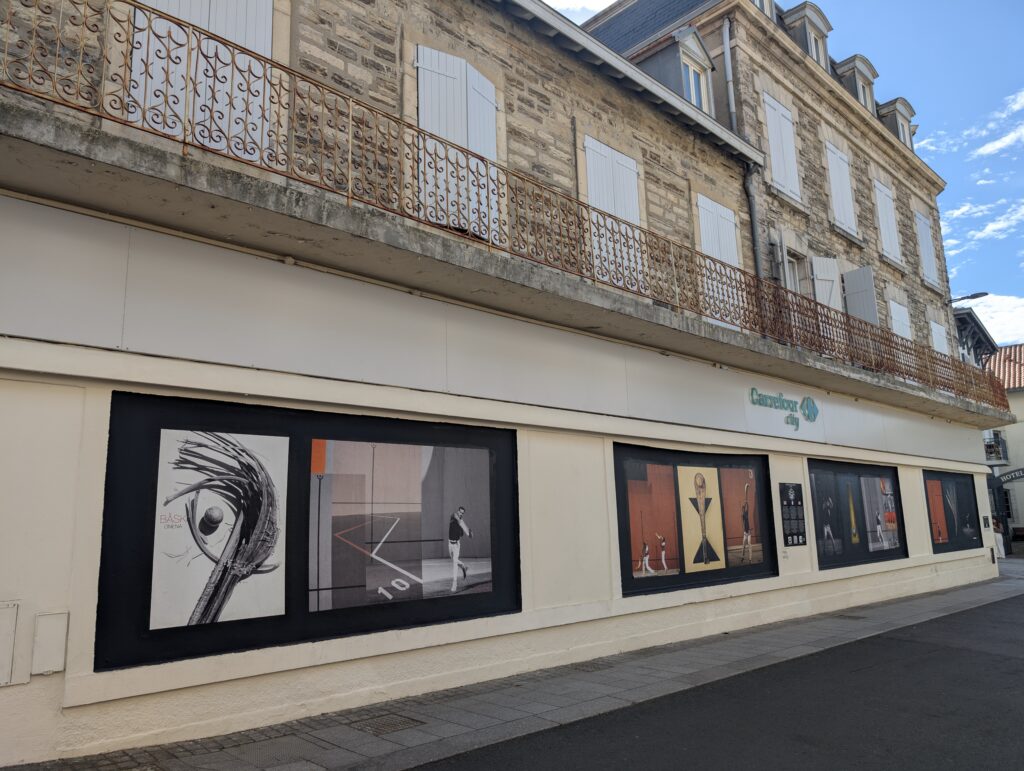
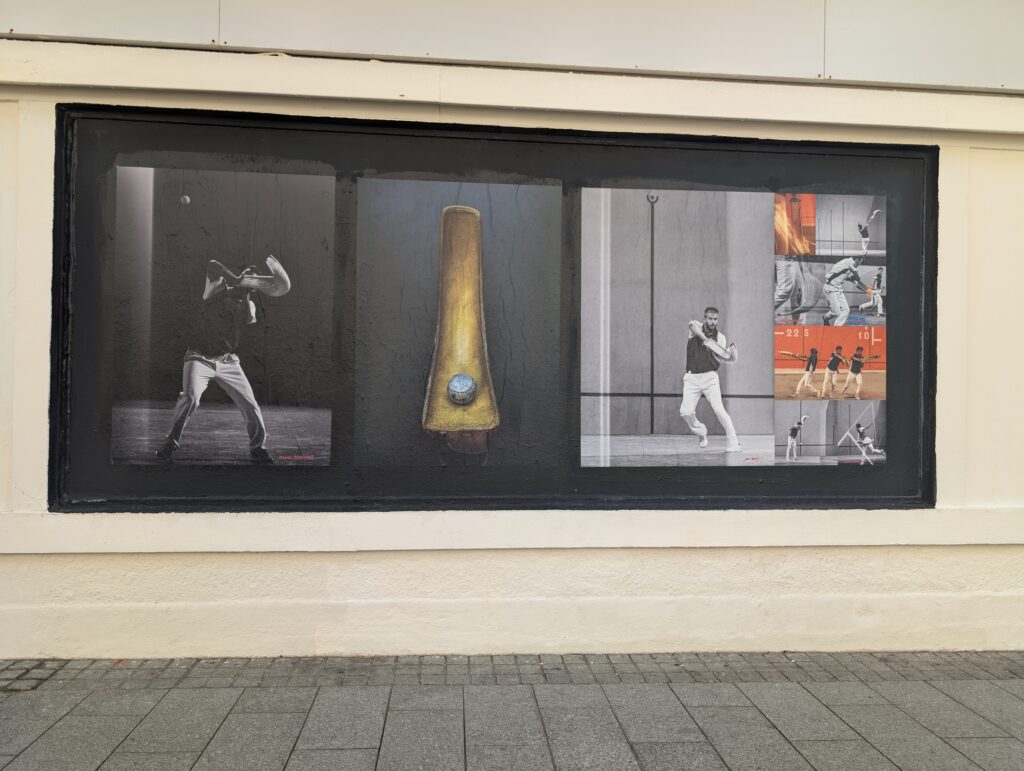
The Basque spirit of tradition and sport is fierce. Basque Pelota (Euskal Pilota) is not tennis, but a fast-paced game evolved by the Basque people. With over a dozen variations, it’s considered the fastest ball sport on Earth. Every village, on both sides of the border, has a court called a fronton or a trinquet.
Even the weapon known as the bayonet is a claim to fame: it’s named after the town of Bayonne. The local tradition holds that it was invented when peasants, short on gunpowder, attached their hunting knives to the muzzles of their muskets.
And while the region is dominated by the majestic Pyrenees (Euskal Herria in Basque), the coast has its own deep maritime traditions. Coastal churches feature ship models hanging from the ceiling, acting as offerings from sailors and a cultural symbol of gratitude for safe passage. Chapels near the water are common. The Guggenheim design acknowledges the shape of a ship.
Throughout this new dimension, you’ll often see the Basque flag or the symbol of the Lauburu, or Basque Cross. This elegant, four-headed swirling symbol, represents the four elements.
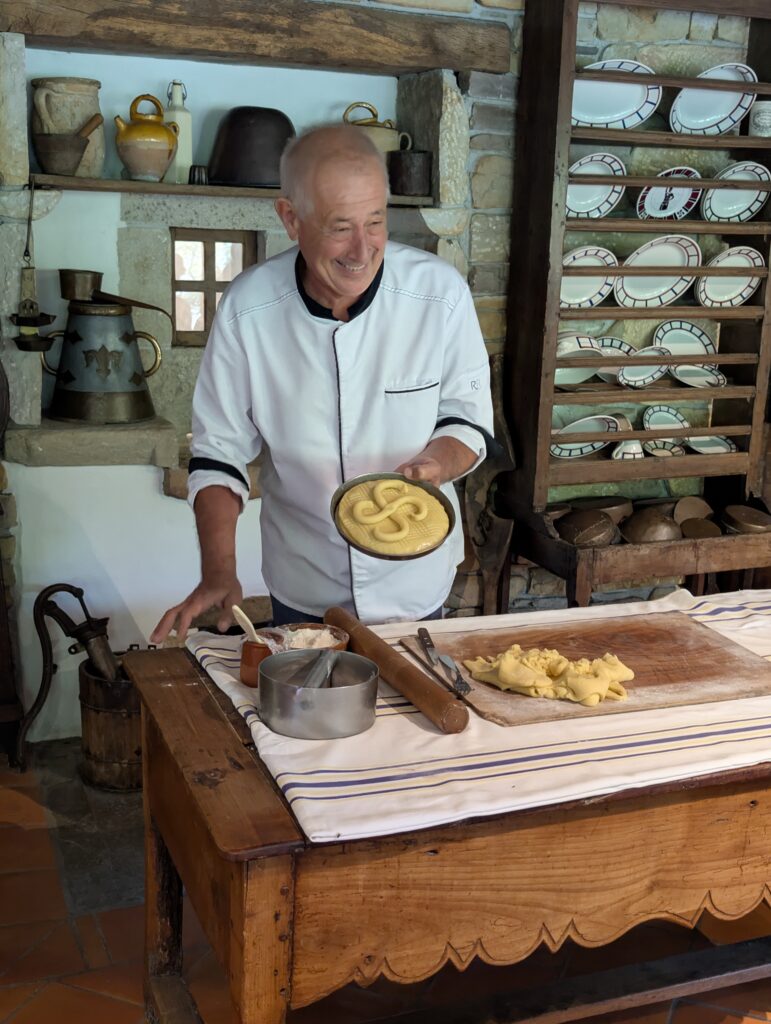
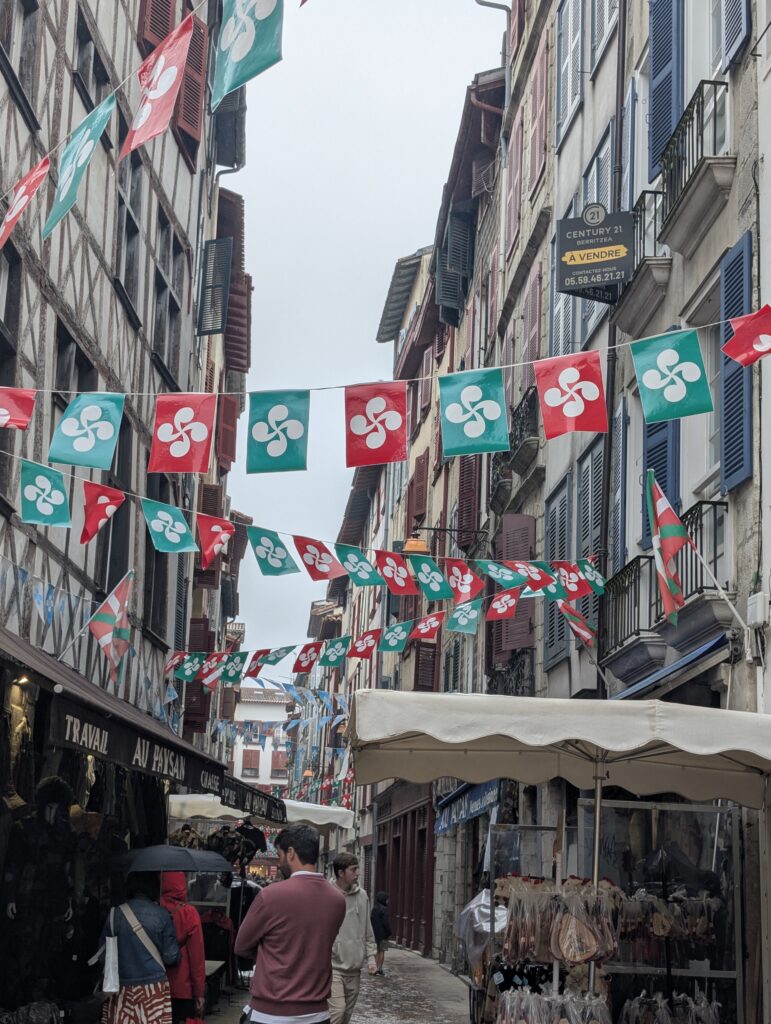
Photo: Marjie Courtis
Way to go
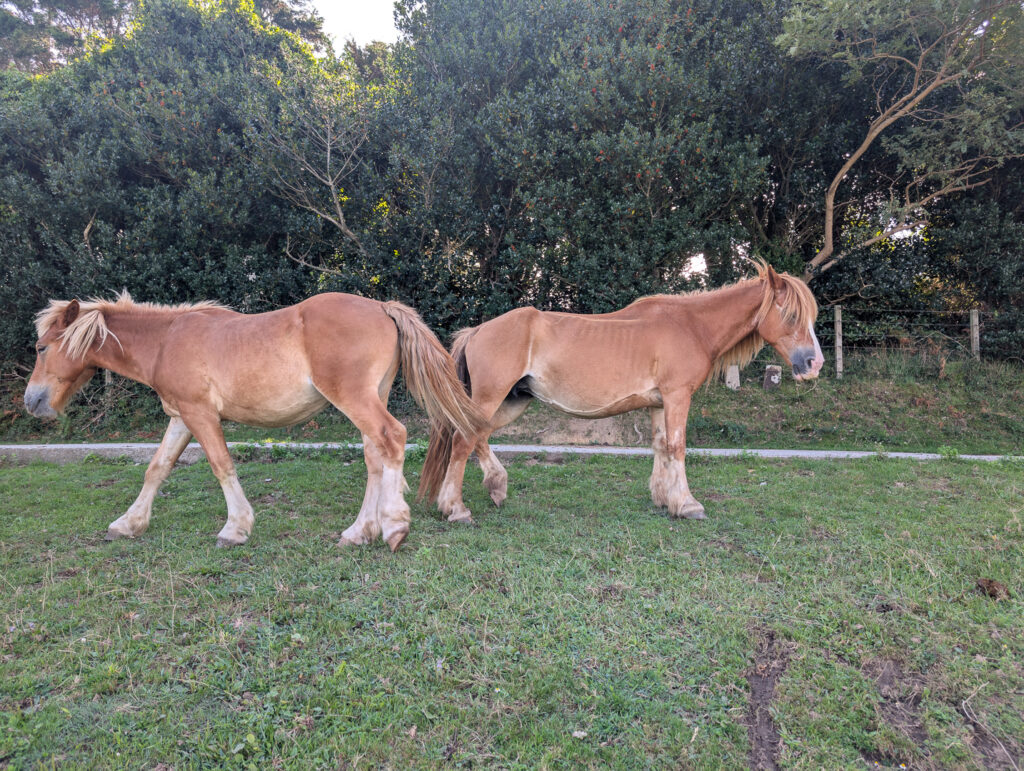
I stayed in Bilbao, Donostia-San Sebastian and at a traditional Basque house near Bayonne in France for an all-inclusive, immersive home stay. Daily excursions allowed me to explore everything from architecture to scenery, from the semi-wild Basque Pottok ponies in coastal Jaizkibel and mountainous Ainhoa, to the pilgrims traversing the French Way of the Camino de Santiago.
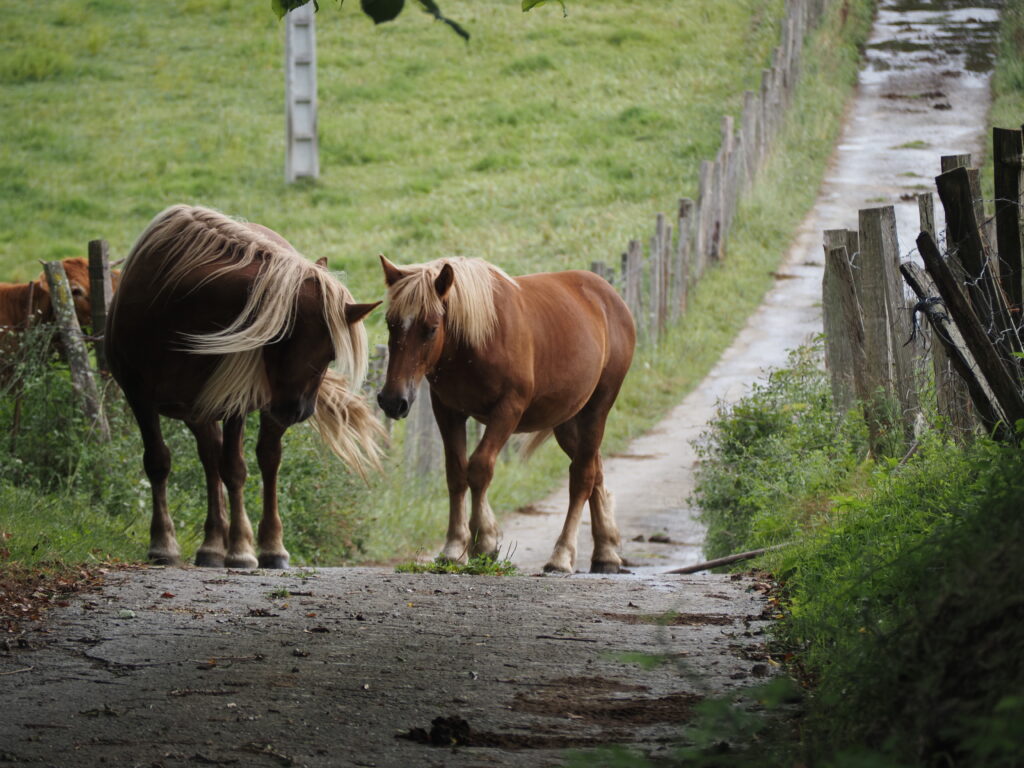
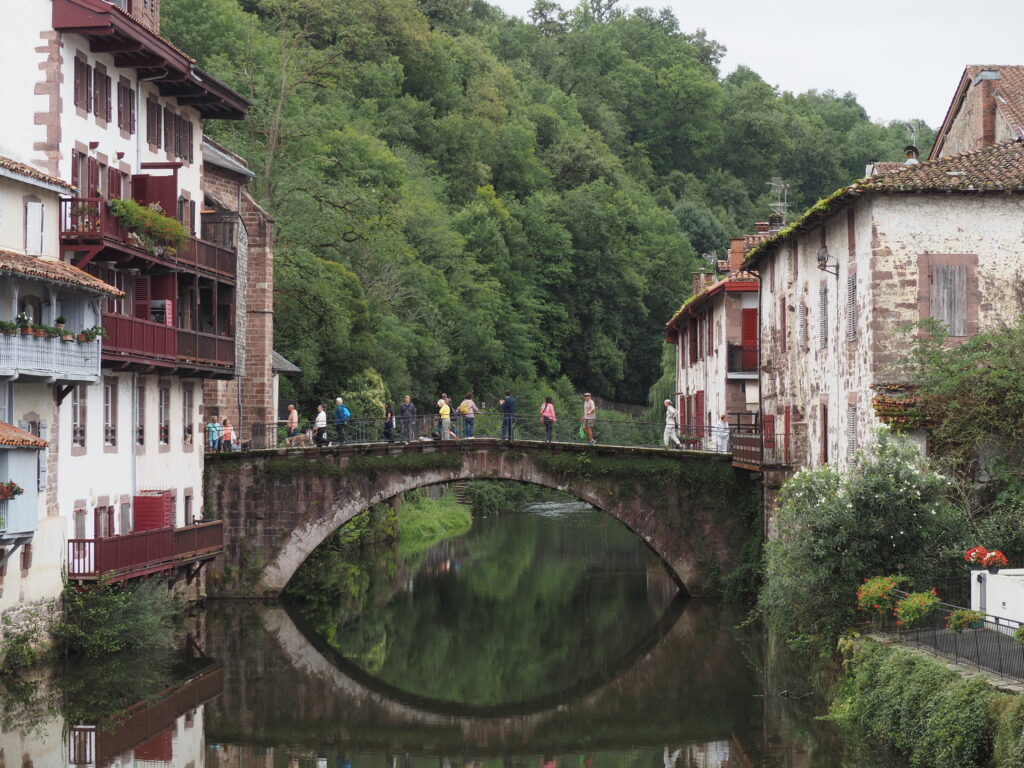
Photo: Marjie Courtis
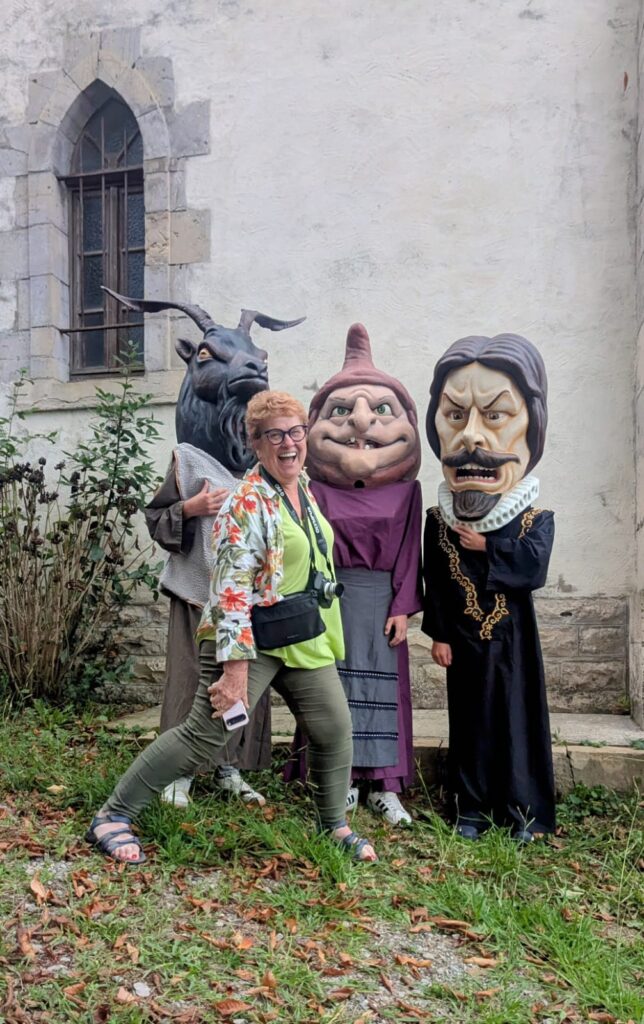
It seemed that the Basque dimension of life was everywhere. It was in the Txapela (Basque Beret), in the masks of Bigheads (representing local authorities or respectable archetypes) at festivals and processions; in music, dance and dress; in maritime chapels; in landscape and seascape; in tri-storied balconies in coastal Basque churches; in towns like St-Jean-Pied-de-Port and Saint-Jean-de-Luz. The people who were neither French nor Spanish, only Basque. There were never-ending discoveries.
To say that Basque Country is other-worldly is to state the truth. It’s undeniably a parallel world that exists both within and completely beyond the map.